 CodeNerve
Robotics for Kids: How Robots Sense, Think and Move
Robotics is the practice of designing, building and programming machines that carry out tasks. A robot does not have to look like a person: it might be a small wheeled vehicle, a robotic arm or a model on a computer screen.
What makes a robot work?
A robot can use sensors to notice something, a controller to follow instructions and outputs such as motors or lights to act. For example, a distance sensor might detect an object; the program then tells the wheels to stop. The instructions are the code.
What does a robotics activity look like?
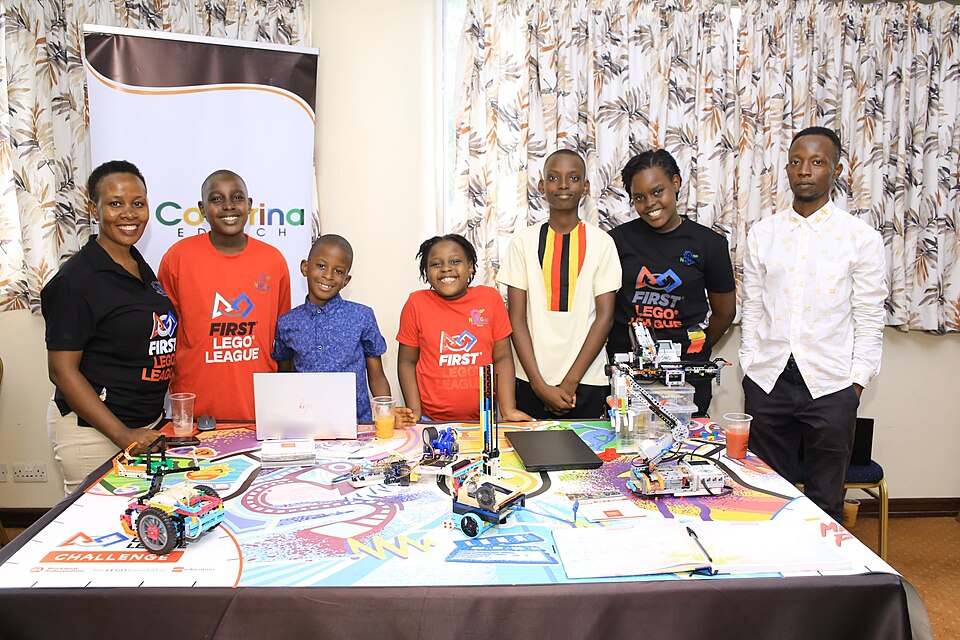
A beginner might plan a route for a small robot: move forward, turn right, then stop. If it misses the target, the learner changes the instructions and tests again. Older learners might experiment with sensors or circuits. These activities combine logical thinking with hands-on problem-solving.
Do we need to buy a robot?
Not necessarily. Some activities use an on-screen simulator, a tool that imitates a device so learners can test ideas in a browser. Others use physical equipment when it is available. The course or school can explain which materials are needed for a particular activity.
What can children gain?
Robotics gives learners a concrete reason to measure, plan, test and improve. It can also encourage teamwork: one person can suggest a route while another checks the instructions. Mistakes are part of the process, not a reason to give up.
CodeNerve offers a free Robotics taster and grade-based school lessons. Activities and tools vary by age and course.