 CodeNerve
Coding for Kids: What It Is and Why It Matters
Have you ever wondered how a game knows when to add a point, or how a phone app responds when you tap a button? The answer is code: instructions written by people for a computer to follow.
What does learning to code involve?
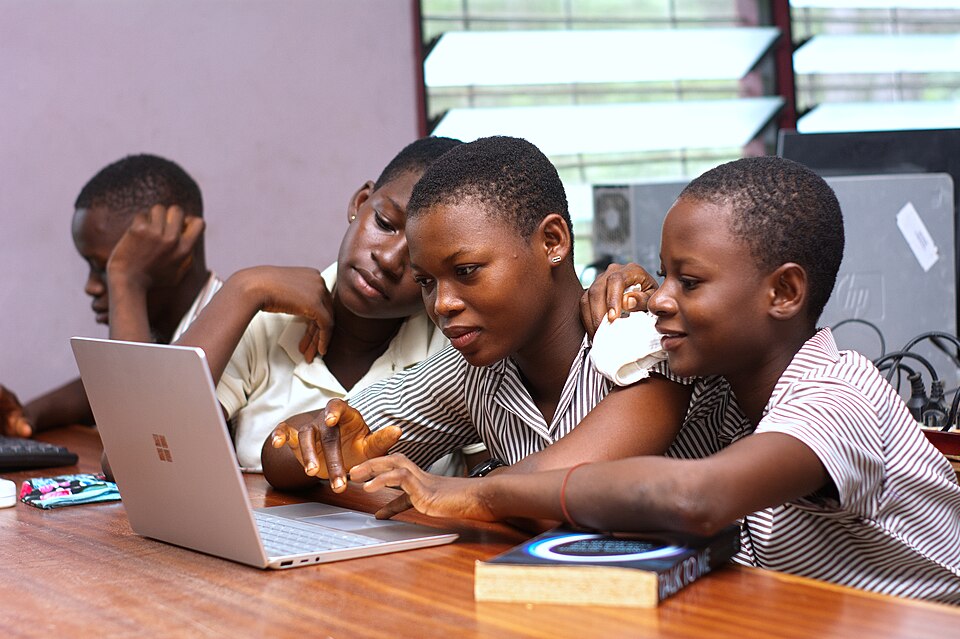
Children begin by giving a computer simple instructions. For example, they might make a character move forward, turn and say hello. Younger learners often use colourful blocks that fit together like puzzle pieces. As they gain confidence, they can move on to typing instructions in a programming language.
They also learn to put steps in order, repeat an action and make decisions: if a character touches a star, add one point. These ideas are useful whether a child wants to build a game, a website or a robot.
What skills can children practise?
- Problem-solving: break a big task into smaller steps.
- Creativity: turn an idea into a story, animation or game.
- Persistence: test an idea, find a mistake and try again. Finding and fixing mistakes in code is called debugging.
- Communication: explain what they made and how it works.
Does my child need experience?
No. A beginner can start with a short activity and learn one idea at a time. An adult can help by asking, "What do you want it to do?" and "What could you try next?" The aim is not to make every child a programmer; it is to help them understand technology and create with it.
At CodeNerve, learners can try a free Coding taster before choosing what to explore next. School learners follow lessons suited to their grade and term.